
In 2024, more than half of global companies reported using AI in some form. Yet a large share of those projects never moved beyond pilots. Some were paused. Others were quietly shut down.
That gap raises a real question.
If AI is so powerful, why does it fail so often in business settings?
The problem is not the technology. The problem is fit.
Many companies adopt AI because they feel they should. A competitor is using it. A vendor is selling it. A board member asked about it. So AI gets added, sometimes without a clear use case, clean data, or a business goal.
AI works best in specific conditions. Outside of those, it creates cost, risk, and confusion.
This article explains when AI makes sense for business applications and when it does not. The focus is practical. No hype. Just clear guidance for teams evaluating AI business applications, AI in mobile apps, and enterprise systems.
When AI is a Good Fit for Business Applications?
AI delivers value when it solves problems humans cannot scale manually.
1. When Data Volume is High
AI performs well when large amounts of data exist.
Think transaction logs.
User behavior.
Sensor data.
Humans cannot analyze millions of records daily. Machines can.
This is why AI adoption in business grows fastest in finance, retail, and logistics. These industries generate data continuously. AI finds patterns that drive better decisions.
If your business runs on data, AI may be a good fit.
2. When Decisions Happen Repeatedly
AI works best when decisions repeat.
Examples include:
- Product recommendations
- Credit risk scoring
- Demand forecasting
In AI in mobile app development, this shows up in personalization. Apps adjust content, notifications, and layouts based on behavior. These decisions happen thousands of times per second.
Rules-based systems struggle here. AI adapts.
3. When Automation Saves Human Time
AI adds value when it removes repetitive work.
Good use cases include:
- Ticket categorization
- Document tagging
- Customer intent detection
In large organizations, this is where AI implementation in enterprises often succeeds first. Teams reduce manual effort. Response times drop. Costs stabilize.
AI does not replace expertise. It removes noise.
4. When Personalization Affects Outcomes
Personalization matters when it changes behavior.
Examples:
- Streaming recommendations
- Personalized onboarding
- Smart search results
Many Artificial Intelligence powered mobile apps rely on this. Users stay longer. They engage more. Retention improves.
If personalization drives revenue or loyalty, AI earns its place.
When AI is Not a Good Fit?
AI fails when businesses use it for the wrong reasons.
1. When the Logic is Simple
If rules are clear, AI is unnecessary.
Examples:
- Tax calculations
- Form validations
- Permission checks
These systems need predictability. AI adds risk with no upside.
Simple logic deserves simple code.
2. When Data is Weak
AI depends on data quality.
Poor data leads to poor outcomes.
Warning signs include:
- Incomplete records
- Biased historical data
- Inconsistent inputs
Many AI business applications fail because teams underestimate data preparation. Models trained on bad data make bad decisions.
No model fixes that.
3. When Explainability is Required
Some industries require transparency.
Healthcare. Banking. Legal systems.
If a decision must be explained clearly, AI may not work. Many models cannot justify outcomes in plain terms. This creates compliance and trust issues.
In these cases, deterministic systems often work better.
4. When AI is Used for Marketing Only
Some products claim AI without real value.
Users notice quickly.
If AI does not improve speed, accuracy, or experience, it becomes a liability. Trust erodes. Maintenance costs rise.
AI should solve problems, not decorate pitch decks.
A Simple Test Before You Use AI
Before committing to AI, ask four questions:
- Do we have enough reliable data?
- Does AI outperform a rule-based system here?
- Can the business accept occasional errors?
- Will this scale over time?
If most answers are no, AI is not the right tool.
AI in Mobile and Enterprise Systems
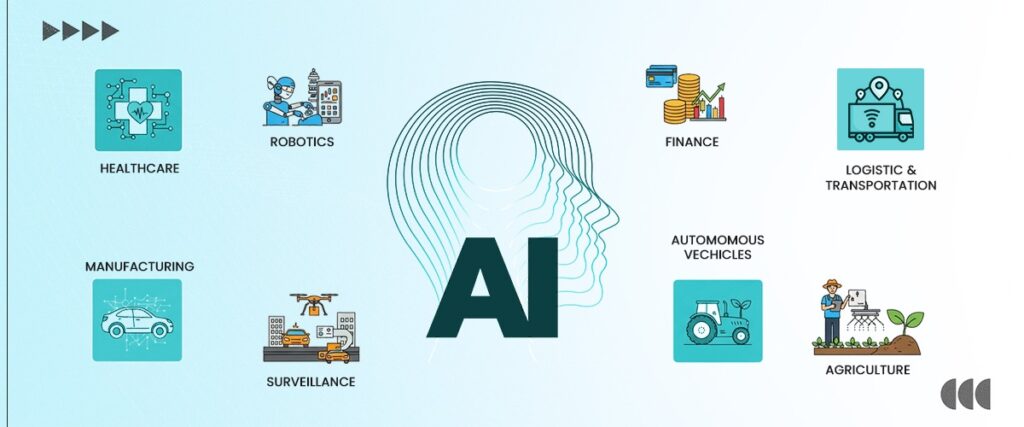
In AI in mobile apps, success depends on restraint. AI should improve the user experience quietly. Don’t dominate it. In enterprises, AI implementation in enterprises works when leadership sets limits. Clear scope. Clear metrics. Clear exit plans.
Many organizations partner with specialists offering AI Powered Mobile App Development Services to avoid overengineering and misalignment.
The goal is not “AI everywhere.” The goal is “AI where it helps.”
Final Thoughts
AI is not magic. It is math, data, and probability. Used correctly, it scales insight and efficiency. Used poorly, it burns time and money. The strongest businesses know when to say yes and when to walk away. That judgment matters more than the model itself.

Kennedy Brown

A tech content writer who specializes in AI, mobile apps, and UI/UX. I breaks down complex topics into clear, useful insights for developers and startups.