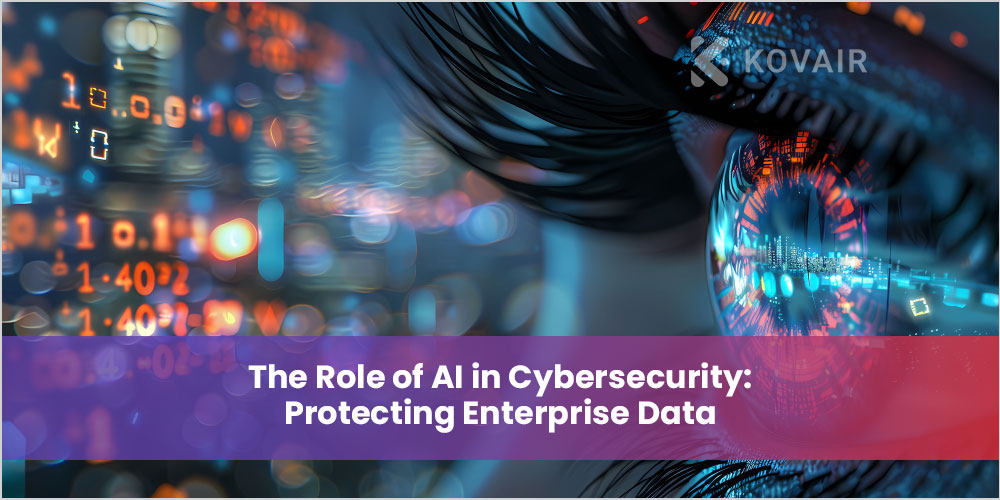
A finance employee receives a convincing invoice. A supplier account logs in at 2:00 a.m. A cloud folder is opened to the wrong group.
AI can bring those small details together before they turn into a larger incident. It can sort activity, connect warning signs and point analysts toward the case that needs attention first. The technology helps most when experienced people remain in control.
Why Cybersecurity Has Become a Top Priority for Enterprises in 2026
Enterprise data rarely stays inside one office. Staff moves between home networks, mobile devices and cloud platforms. Contractors and vendors may enter through shared portals. Every connection creates another place where a weak password or forgotten permission can cause trouble.
Most breaches begin quietly. A former employee still has access. A manager approves a login request without checking the device. Someone opens an attachment that looks like a routine purchase order. The mistake takes seconds. Finding every file and account touched afterwards can take weeks.
Attackers also have better tools. AI can copy a company’s tone, produce cleaner phishing emails and test stolen passwords across several services. Fake voices can sound close enough to a director to rush an employee into making a payment.
The disruption spreads beyond IT. Payroll may stop. Orders may sit unprocessed. Managers can end up answering clients while the technical team is still finding out what happened.
Several plain controls still carry much of the load:
- Multi-factor authentication for important accounts
- Access based on current job duties
- Quick removal of unused accounts
- Backups that have actually been tested
- Clear reporting for odd emails or login requests
AI adds speed and context. It cannot make a careless setup safe.
How AI Is Revolutionizing Threat Detection and Prevention
When you think about the older generation security tools, they search common and known information. In fact, these matters can relate to malicious files or blocked addresses. That still helps. It struggles when harmful activity looks like normal work.
AI watches behaviour. It learns how users, devices and applications usually act. A sales manager downloading one client file at noon may be routine. The same account pulling thousands of records after midnight from a new device looks very different.
The real benefit is triage. Security teams often receive more alerts than they can review properly. AI can gather related events into one case. A strange login, a large transfer and a disabled security setting may look minor on separate screens. Together, they deserve attention.
Some platforms can pause a session, isolate one laptop or request another identity check. Those steps can buy time. They can also cause trouble when the alert is wrong.
A payroll manager locked out on payday is not a small inconvenience. Automated responses need limits, clear records and an easy way back. Larger actions should remain with someone who understands the business impact.
The Role of Machine Learning in Identifying and Responding to Cyber Attacks
Machine learning does much of the pattern work behind AI security tools. It studies login history, email activity, network traffic and events from company devices. Over time, it forms a rough picture of normal work inside that organisation.
Normal depends on the workplace. A production studio may move huge video files every afternoon. An accounting firm may rarely send anything larger than a spreadsheet. The same activity can be harmless in one business and suspicious in another.
The model becomes useful when several details line up. A user signs in from a new location. The account asks for administrator access. Minutes later, a large archive appears. Machine learning can connect those events while they are still happening.
Response may begin before the investigation is finished. An automated playbook can collect logs, cancel a session token or quarantine one device.
False alarms remain part of the job. A business trip can resemble account theft. A planned migration can look like stolen data. A new employee may open folders the previous worker never touched.
An alert therefore needs to show what triggered it. A bare risk score gives an analyst little to examine. In fact, in today’s technical landscape, you will understand how clear evidence makes the model easier to question and to improvise along the way .
How AI Helps Enterprises Protect Sensitive Data and Ensure Compliance
Meanwhile, there is the matter of sensitive info. For you see, it is often scattered across databases, email attachments, shared folders and laptops. Some files have clear names. Others are saved as “final copy” or “new version” and forgotten.
AI can inspect the content rather than trust the filename. It may identify payment details, medical information, personal identifiers, contracts or confidential business records. Those files can then receive tighter access rules, encryption or data loss controls.
The useful moments are often unremarkable at first. A departing manager downloads years of documents in one afternoon. An employee sends a customer list to a personal inbox before travelling. A staff member pastes internal figures into an unapproved AI tool because it is quicker.
Each action may have an innocent explanation. Each deserves a look.
Compliance teams can use AI to gather access histories, find missing approvals and flag policy exceptions. That may expose a weak process before a regulator or client does.
Legal requirements still call for human judgement. Contracts, location and industry rules shape data retention, breach reporting and access limits. All in all, Artificial Intelligence can execute well on such decisive output with adequate consistency. On top of that, it gets to keep the trail of audits crisp as heck.
Not only that but context outside the network still matters. A florida background check may support one part of hiring, but it cannot show how an account behaves after access is granted. That’s not all, but it also needs role-based permissions and a clear record of unusual activity.
Key Challenges of Implementing AI in Enterprise Cybersecurity
If you are purchasing an AI security tool, it may seem simple and easy. Making it useful in daily work is harder. The model needs reliable data and enough context. Poor input produces noisy results.
On the other hand, there is the matter of too many false alarms as they can make analysts stop trusting the system. Too few can create false confidence. Business habits also change. A pattern that looked unusual last year may become normal after a merger or a new remote-work policy.
AI tools can become targets themselves. Attackers may manipulate prompts, poison training data or study which behaviour escapes attention. Security teams must protect the system that is meant to protect everything else.
Shadow AI brings a quieter risk. Employees may use public tools because the approved option feels slow. A contract, pricing sheet or customer record can leave company systems without anyone noticing at the time.
A practical rollout needs firm controls:
- Approved tools for sensitive work
- Limits on automated responses
- Regular checks for drift and missed threats
- Logs explaining why an alert appeared
- Human approval before disruptive action
- A fallback process when the model is unavailable
Older systems make the work harder. Some produce incomplete logs. Others record the same event in different formats. Skilled staff is still needed to clean data, test models and explain findings without hiding behind security jargon.
Conclusion
AI can help enterprises spot weak signals, protect scattered information and contain suspicious activity before it spreads. Its value still rests on sensible access rules, reliable records and people who question odd results.

Mila Rowe

Mila Rowe is a technology writer passionate about digital transformation, AI, and enterprise innovation. She simplifies complex ideas into actionable insights for modern businesses.